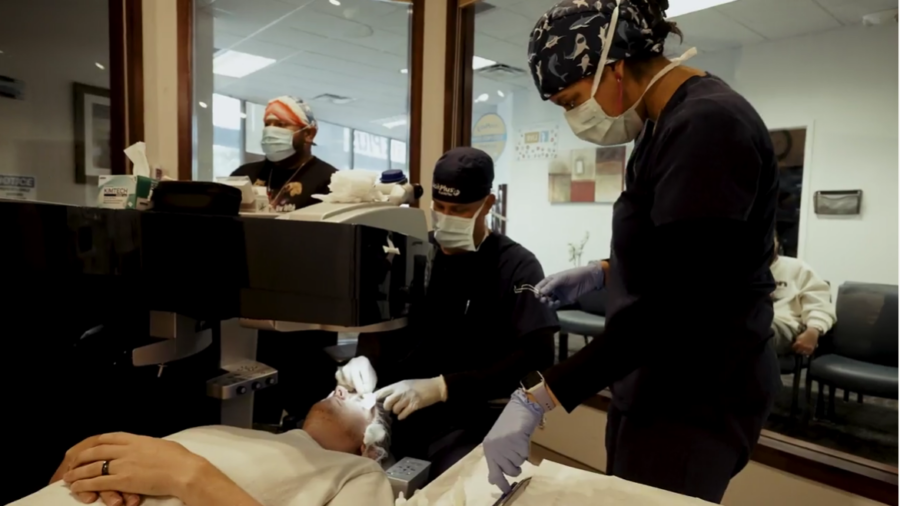
LASIK is a laser vision correction procedure that reshapes the cornea to help light focus more clearly on the retina. The procedure itself is brief, but knowing what happens before, during and immediately afterward can help you feel prepared. Here's a step-by-step look at the process, including what you may see or feel during treatment.
Watch: LASIK.com Network Surgeon Dr. Louis Probst explains what happens during the LASIK procedure.
Dr. Louis Probst performs LASIK and PRK out of TLC Laser Eye Centers in Madison, Milwaukee, and Westchester (Chicago)
What Happens Before LASIK Surgery?
Before scheduling LASIK, you’ll have a comprehensive consultation to determine whether the procedure is appropriate for your eyes. Your provider will evaluate your prescription, corneal shape and thickness, eye health and other factors that may affect your results.
Your care team will explain the procedure, discuss the potential benefits and risks, and answer your questions. You’ll also receive instructions to follow before treatment, including guidance on contact lens use if applicable.
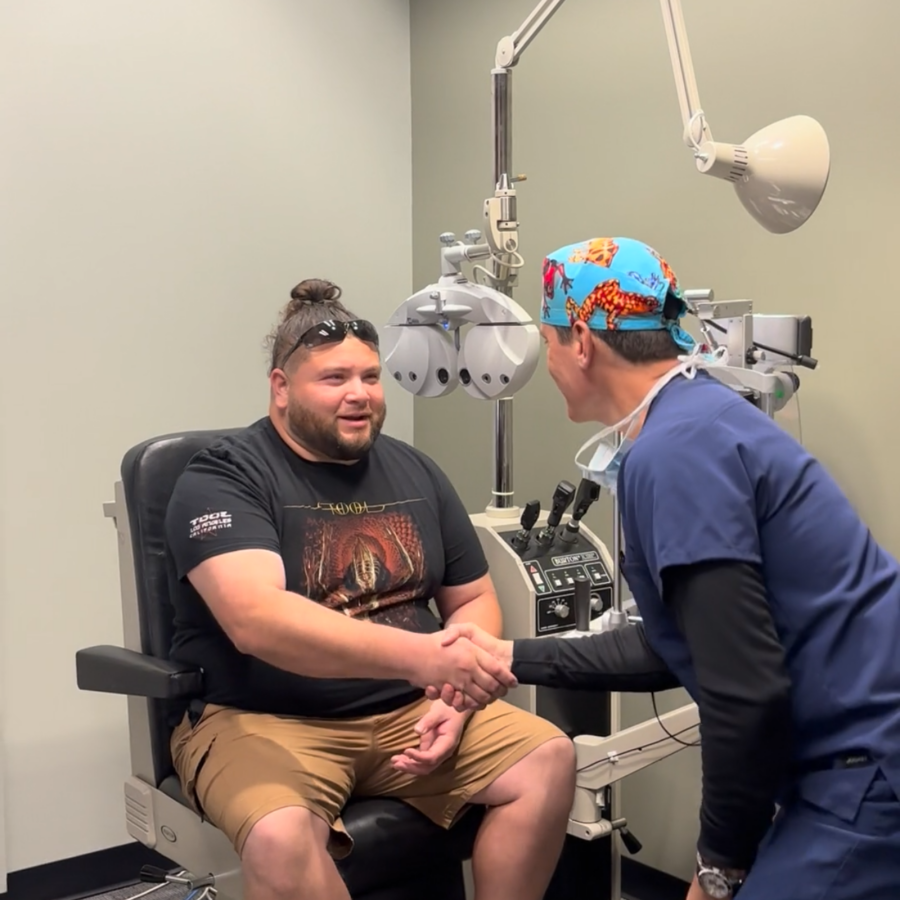
On procedure day, your team will review your medical information and may perform additional measurements or checks. They’ll explain the steps ahead and go over your post-operative care instructions.
What Happens During LASIK Surgery? Step by Step
LASIK treatment itself usually takes only a short time. The exact steps and equipment may vary depending on the technology used and your treatment plan.
Your eyes are numbed
You’ll receive anesthetic eye drops to numb the surface of your eyes. You’ll remain awake during LASIK, and your surgical team will guide you through the procedure.
You may notice pressure or unusual sensations, but the numbing drops help reduce discomfort.
Your eye is positioned for treatment
You’ll lie back beneath the laser system and look toward a target light as directed by your surgeon. An instrument helps keep your eyelids open during treatment, so you don’t need to hold them open yourself.
If you’re worried about blinking or moving your eyes, discuss that with your surgeon before the procedure. Your team can explain how the equipment works and what to expect.
A thin corneal flap is created
In traditional LASIK, a femtosecond laser creates a thin flap in the cornea. Your surgeon gently lifts the flap to access the underlying corneal tissue.
The exact sensations vary, but you may experience pressure and temporary changes in what you see.
A laser reshapes the cornea
An excimer laser removes tiny amounts of corneal tissue to adjust its shape and correct your refractive error. You may be asked to focus on a target light during this part of the procedure.
The laser treatment generally takes seconds per eye, depending on your prescription and treatment plan. Your surgeon and the laser system guide the process.
The corneal flap is repositioned
After the cornea has been reshaped, your surgeon places the flap back into position. It adheres naturally as the eye begins to heal, without the need for stitches in routine LASIK.
Your surgeon checks your eyes before you leave the treatment area.
What Does LASIK Feel Like?
People experience LASIK differently, but anesthetic eye drops are used to minimize discomfort. You may feel pressure, see lights or notice temporary blurring as the procedure progresses.
Because you’re awake, it can help to know that your care team will guide you through each step. If you’re anxious about what you might feel or see, ask your surgeon to explain the experience in advance.
How Long Does the LASIK Procedure Take?
The laser treatment itself typically takes only a few minutes, and the procedure is generally completed in a short visit. However, plan to spend additional time at the center for preparation, instructions and post-treatment checks.
Your provider can give you a more specific estimate based on your treatment plan and the center’s process.
What Happens Immediately After LASIK?
After treatment, your surgeon will check your eyes and review your instructions. You’ll need someone to drive you home because your vision may be blurry and you should not drive immediately after surgery.
Your eyes may feel watery, gritty or sensitive to light, and your vision may fluctuate as healing begins. Your surgeon will explain which symptoms are expected, how to use your prescribed eye drops and when to attend your follow-up appointment.
Rest as directed and follow your care team’s instructions. Don’t rub your eyes, and contact your provider promptly if you experience symptoms that concern you or worsening pain or vision.
What Should I Ask Before My LASIK Procedure?
Your consultation is a good time to discuss anything you’re unsure about. Consider asking:
Am I a suitable candidate for LASIK?
Which laser technology will be used for my procedure?
What might I see or feel during treatment?
What are the potential risks and side effects in my case?
What should I do to prepare for procedure day?
What should I expect during recovery, and when can I return to my usual activities?
Getting answers before treatment can help you understand your options and make an informed decision.
Learn More About Your LASIK Options
Every patient’s eyes and vision needs are different. A consultation with a qualified LASIK surgeon can help you understand whether LASIK is appropriate for you, what your treatment may involve and what results you can reasonably expect.
Check out real patient reactions immediately following their LASIK procedures with LASIK.com Network Surgeons